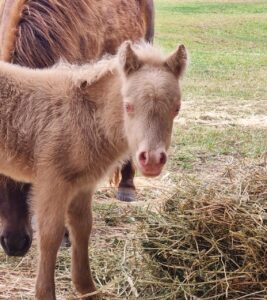

Horses are incredibly expressive, intuitive animals – yet they often mask pain as a natural prey instinct. At Farmfari, we see this every day: horses who arrive with discomfort they’ve carried silently for too long.
This blog helps horse lovers, beginners, and owners understand the real signs of pain in horses, so more equines can receive help earlier – and hopefully avoid a sanctuary-level rescue situation in the future.
Why Horses Hide Pain (and Why Caregivers Must Know the Signs)
Even in loving homes, pain in horses is commonly missed.
As prey animals, horses are designed to mask vulnerability, so small signs matter.
Common misunderstandings about horse pain:
- “If they’re eating, they must be fine.” (Not true — many horses graze while in pain.)
- “If there’s no limping, there’s no injury.”
- “Behaviour changes are just attitude.”
Recognising subtle signs can improve welfare dramatically — and even save lives.
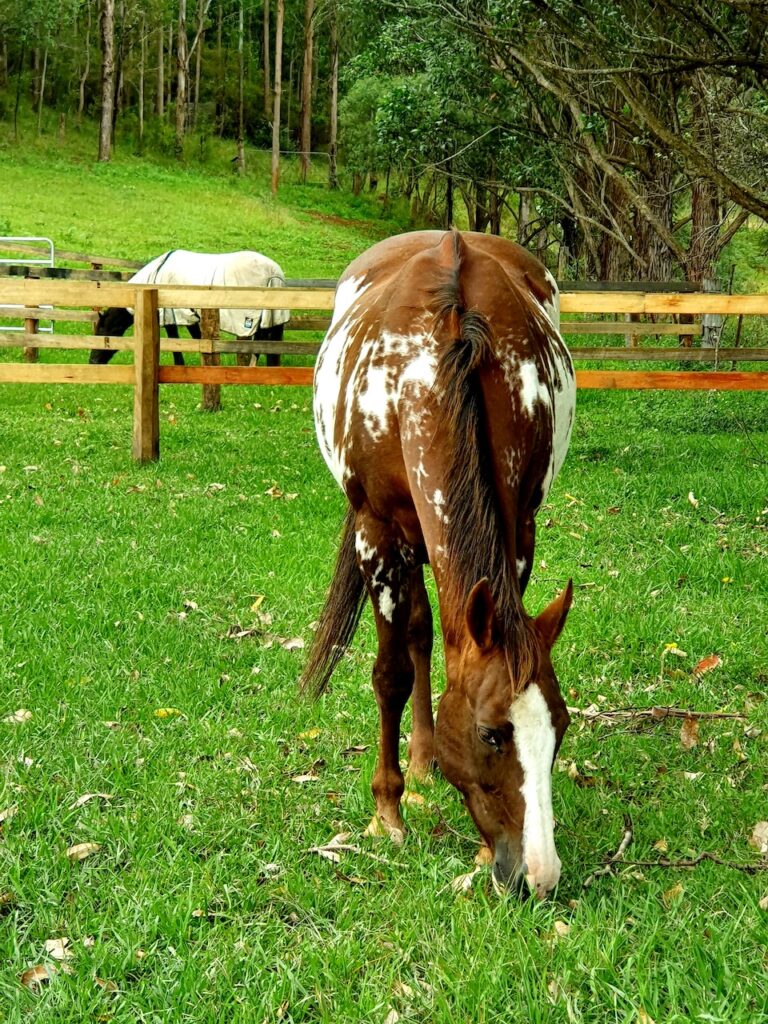
10 Signs Your Horse May Be in Pain
Each sign includes “why it matters” and “when to seek help.”
1. Changes in Eating or Drinking
- Weight Shifting or Hind-End Restlessness
- Resistance to Grooming
- Unusual Ear Positioning
- Changes in Herd Dynamics (becoming withdrawn or aggressive)
The University of Melbourne’s Equine Clinic offers excellent evidence-based resources on equine pain assessment.(https://horsevet.melbourne)
Behavioural Indicators of Horse Pain
(Keyword: Horse Pain Signs)
Behaviour is often the first sign of discomfort.
- Sudden spooking
- Pinning ears
- Avoiding saddling or leading
- Unusual vocalisation
- Withdrawing from touch
These changes often appear weeks before a visible injury.
The Spiritual Side: Listening With Your Heart
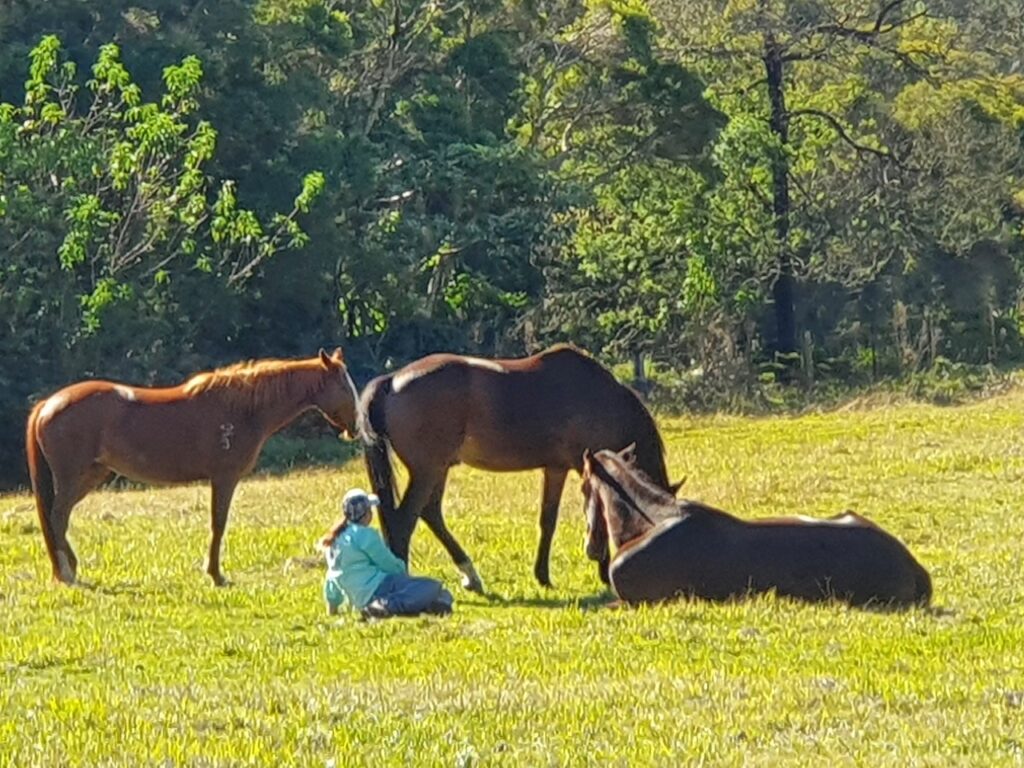
Farmfari’s philosophy centres on connection.
When a horse senses genuine calm energy, they communicate more clearly.
Try this simple exercise:
Stand & Listen
Spend 3 minutes standing near your horse without speaking or touching.
Notice:
- Breath rate
- Energy shifts
- Ear flick patterns
- Softening or tension in the jaw
Many caregivers report this helps them notice things they would otherwise miss.
When to Call a Vet
If pain signs continue for more than 24–48 hours, professional assessment is essential.
RSPCA Australia on recognising and responding to equine welfare concerns:
https://kb.rspca.org.au/knowledge-base/horses-welfare/
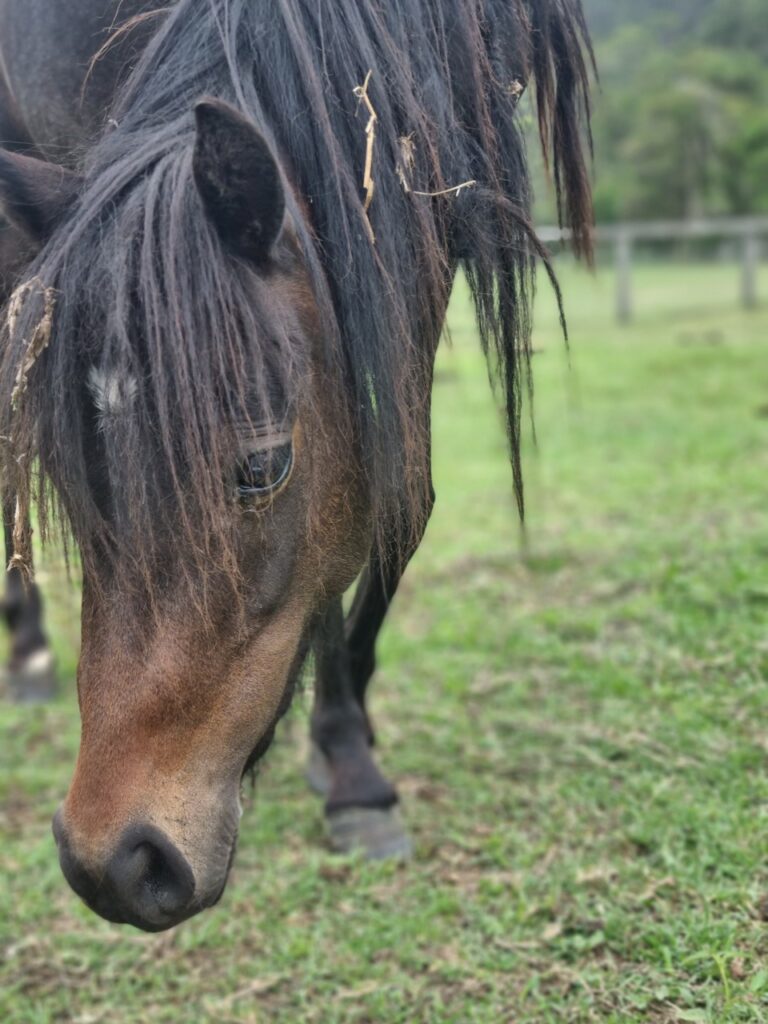
Horse Pain Can Be Spotted
Compassionate care starts with awareness.
Recognising pain early prevents suffering — and helps more horses live with comfort, dignity, and joy.
If you’d like to support the horses at Farmfari who have survived past neglect, visit our
👉 Support & Donate Page