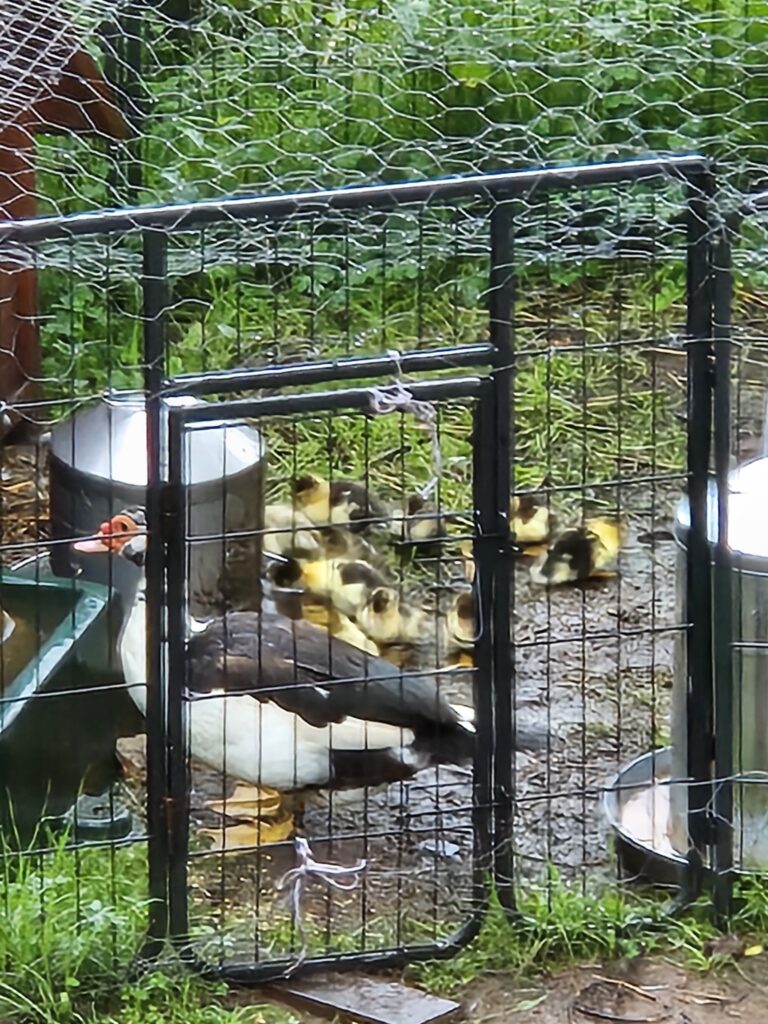
When most people think of ducks, they think of waddling feet and cheerful noise drifting across the paddock. But if you pause for a moment and truly watch them, you start to notice something else entirely. Duck intelligence isn’t loud or showy — it’s quiet, relational, and surprisingly thoughtful.
At Farm Fari, ducks are often the animals children underestimate at first. Then, slowly, something shifts. A child notices how they stay close together, how they respond to subtle sounds, how one always seems to keep watch. And suddenly, we’re not just looking at ducks anymore — we’re witnessing awareness.
Life Within the Flock
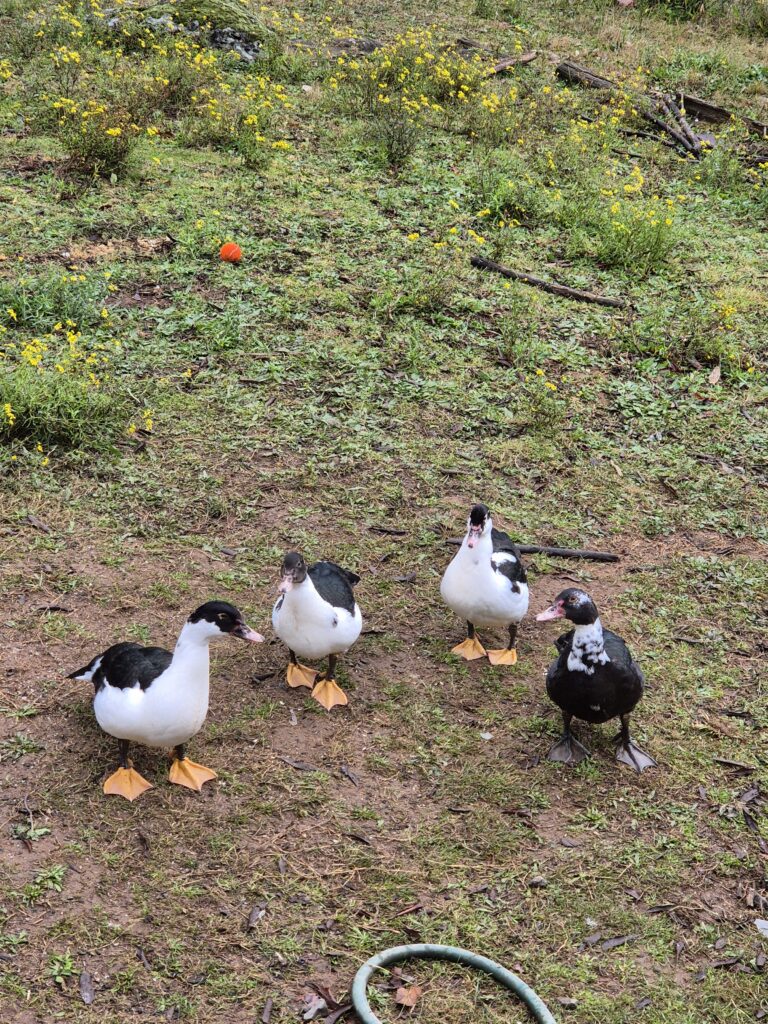
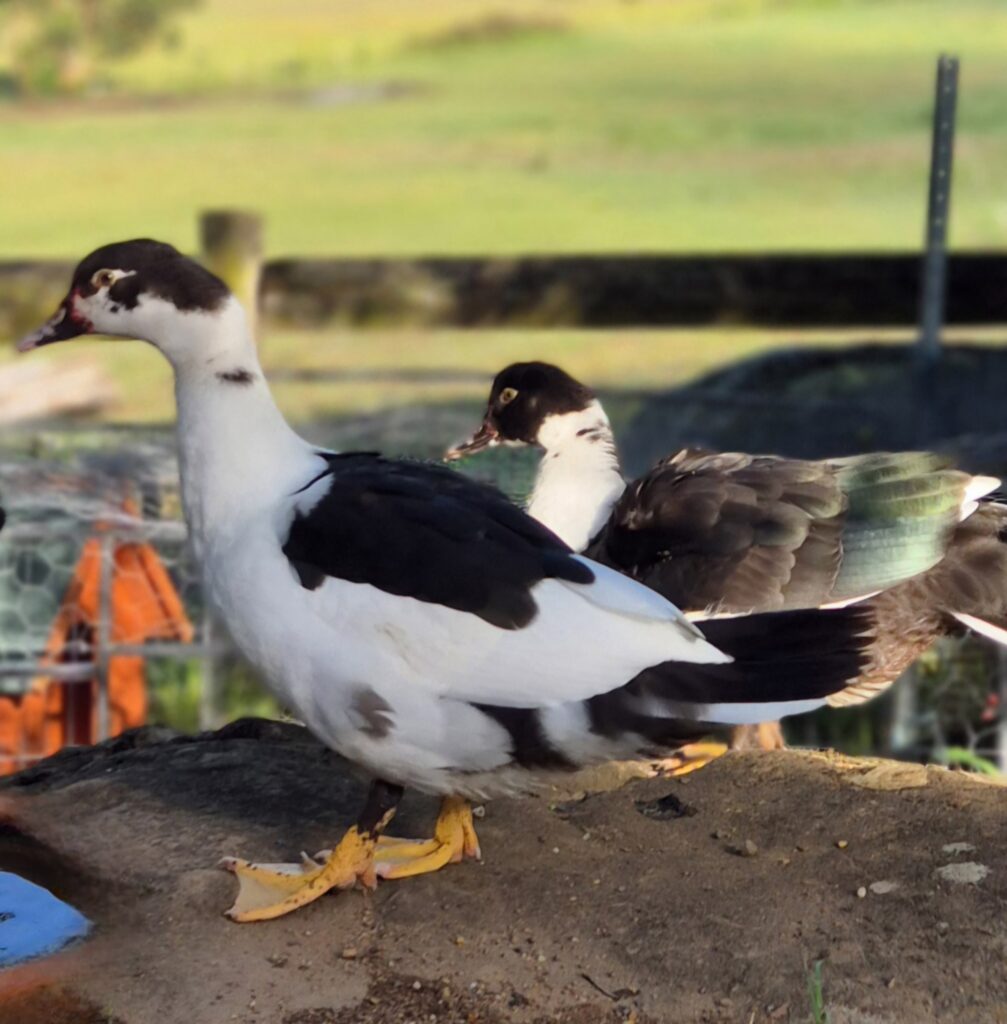
Ducks rarely choose to be alone. They move together, rest together, and respond to each other constantly. It’s subtle, but it’s intentional.
Duck Intelligence and Social Awareness
If you sit beside a flock long enough, you’ll notice small exchanges — a shift in position, a soft call, a gentle following. There’s communication happening all the time. Their safety depends on it.
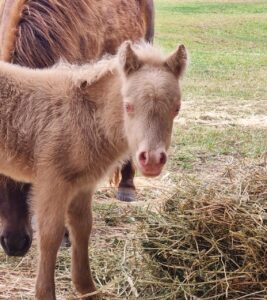
We spoke about similar social structures in horses in our blog:
https://farmfari.com.au/miniature-horses-vs-full-size-is-there-a-difference/
While horses form structured herds, ducks operate in cohesive flocks. Different species, same need for belonging. That shared instinct tells us something important — connection isn’t optional in the animal world.
Duck Intelligence and Memory
One of the most overlooked traits in ducks is their ability to remember. They recognise routine, remember safe places and become familiar with people who move calmly around them.
How Duck Intelligence Shows in Daily Behaviour
At the sanctuary, we see it in small ways. Ducks returning to the same resting spot. Following the same path to water. Responding differently to different tones of voice.
Animal welfare organisations such as the RSPCA also acknowledge that ducks are perceptive animals who need space, enrichment, and companionship to thrive:
https://www.rspca.org.uk/adviceandwelfare/farm/ducks
When animals are given the freedom to express natural behaviours, their capabilities become clearer. And often, what we’re witnessing isn’t instinct alone — it’s adaptability.
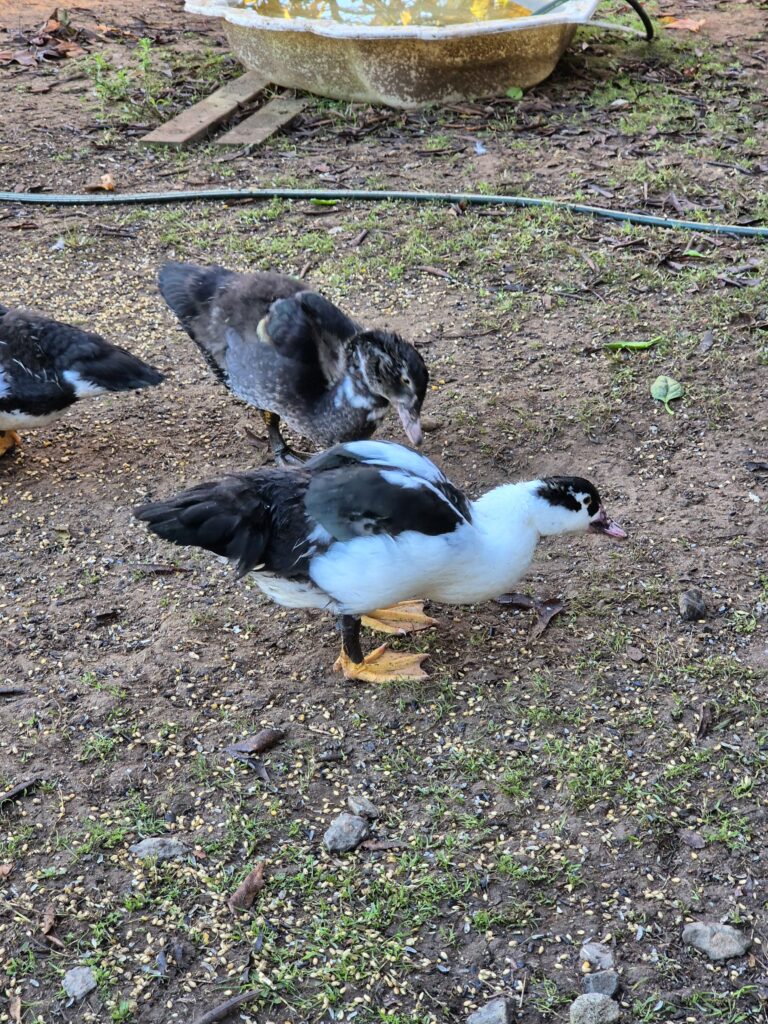
What Children Notice About Duck Intelligence
Children are incredibly observant when given the space to be. They notice the duck that lingers behind. The one that keeps watch. The way the group waits before moving forward.
Watching ducks adds another gentle layer to that experience. There’s something grounding about their pace, they don’t rush. They don’t perform. They simply exist in rhythm with one another.
And in that stillness, children often soften too.
Seeing Ducks Differently
When we begin to understand duck intelligence, even in small ways, perspective changes. Ducks are no longer background animals in a paddock. They are social, responsive, and aware of their surroundings.
At Farm Fari, we believe noticing these things matters. Because when children grow up recognising thoughtfulness in animals — even the quiet ones — they carry that awareness into how they treat the world around them.
Sometimes the most meaningful lessons don’t come from the largest animals on the farm.
Sometimes they waddle.