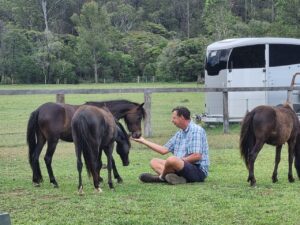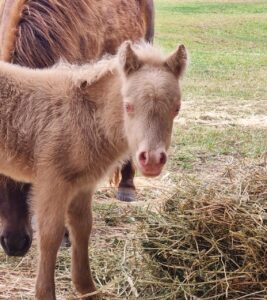
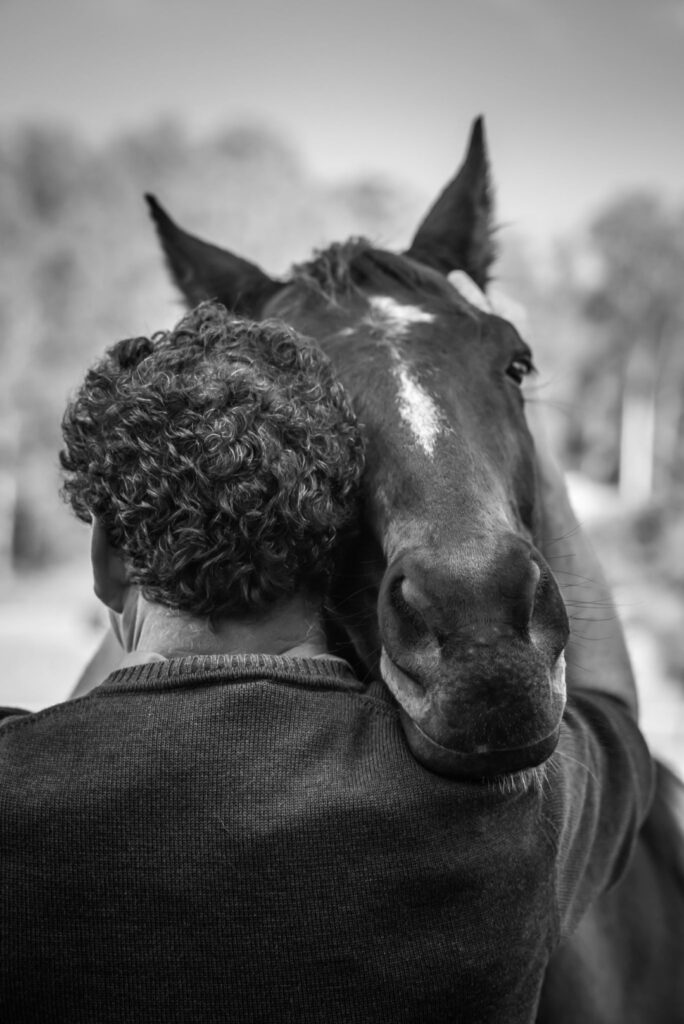
At Farmfari, we often speak about connection — how it shapes animals, children, and communities alike. A few examples show this more clearly than horses. Observing a group of horses in a sanctuary reveals just how essential horse companionship is to their emotional and physical wellbeing.
Horses are herd animals by nature. Their instinct to live, move, and interact together is hardwired, and when this need is met, we see them thrive — relaxed, playful, and emotionally balanced.
What Is Horse Companionship?
Horse companionship refers to the natural bonds horses form with each other. In a herd, horses rely on social relationships for safety, comfort, and communication.
When horses have companions, they establish social routines, form close bonds, and even learn from one another. Without these connections, they can experience stress, loneliness, and behavioural challenges.
The American Association of Equine Practitioners explains that social interaction is not a luxury for horses — it’s essential for their mental and physical health, reinforcing just how important horse companionship really is.
At Farmfari, we see how horses flourish when they have the freedom to choose their friends and interact naturally — a lesson in empathy and observation for all visitors. Learn more about our approach at Farmfari.
The Benefits of Horse Companionship
Horses experience companionship in ways both subtle and profound:
- Emotional security: Having friends nearby reduces stress and anxiety, helping horses feel safe.
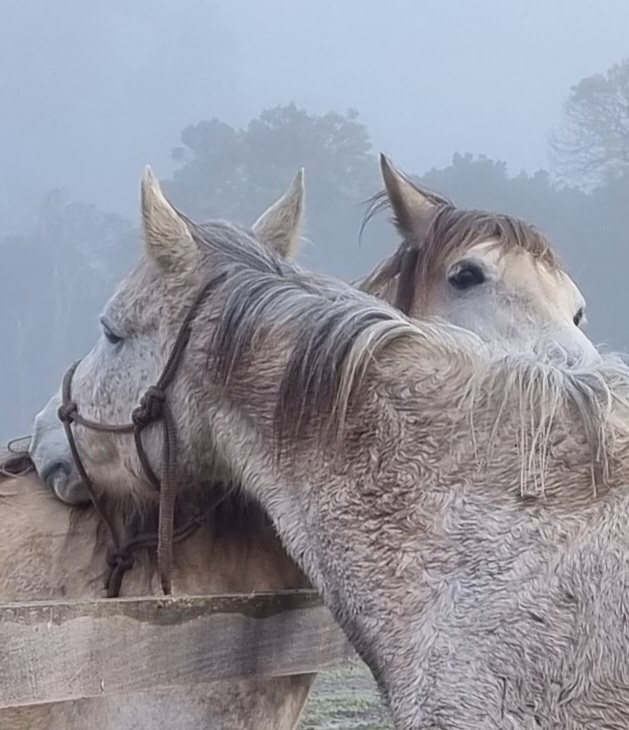
- Mutual grooming: Horses often nibble and nuzzle each other, reinforcing social bonds and improving skin and coat health.
- Play and learning: Younger horses learn behaviours, boundaries, and social cues through interaction with their peers.
These natural behaviours are clear examples of how horse companionship is essential to wellbeing — both physically and emotionally.
For more on the social needs of animals, see our post on Miniature Horses vs Full-Size: Are They Different?.
Herd Life and Social Bonds
In the wild, horses never live in isolation. Their herd structures provide leadership, friendship, and protection. Even within a sanctuary environment, these instincts remain strong:
- Leaders guide the group to grazing areas or shelter.
- Close friends stick together during rest or movement.
- Supportive behaviour helps calm anxious or isolated horses.
Every movement, nuzzle, or side-by-side rest is a lesson in horse companionship. Observing how horses interact naturally, especially through guidance from resources like the AAEP, reminds us how vital social connection is across species.

Why Companionship Matters for Emotional Wellbeing
Horses deprived of companionship can develop stress-related behaviours like pacing, cribbing, or withdrawal. Their mental and physical health is deeply intertwined with their social environment.
Observing this at Farmfari highlights why sanctuary visits are so valuable: children and adults alike can see first-hand how natural relationships nurture wellbeing — a quiet but powerful lesson in empathy and care.