When farm animals arrive at a sanctuary like Farmfari, they don’t arrive as blank slates. Many come carrying fear, confusion, and trauma from neglect, exploitation, or abandonment. Trust is not automatic — it is earned, gently and patiently, over time.
Understanding how rescued farm animals learn to trust humans helps deepen the human–animal connection and reminds us that healing is possible for both sides of the relationship.
Understanding Trauma in Rescued Farm Animals
Just like humans, animals experience trauma. Fear responses such as flinching, freezing, avoidance, or aggression are often survival mechanisms developed in unsafe environments.
Rescued farm animals may have experienced:
- Rough handling or confinement
- Sudden separation from companions
- Lack of consistent care or nourishment
- Loud, unpredictable environments
At Farmfari, recognising these behaviours as communication — not “bad behaviour” — is the first step toward rebuilding trust.
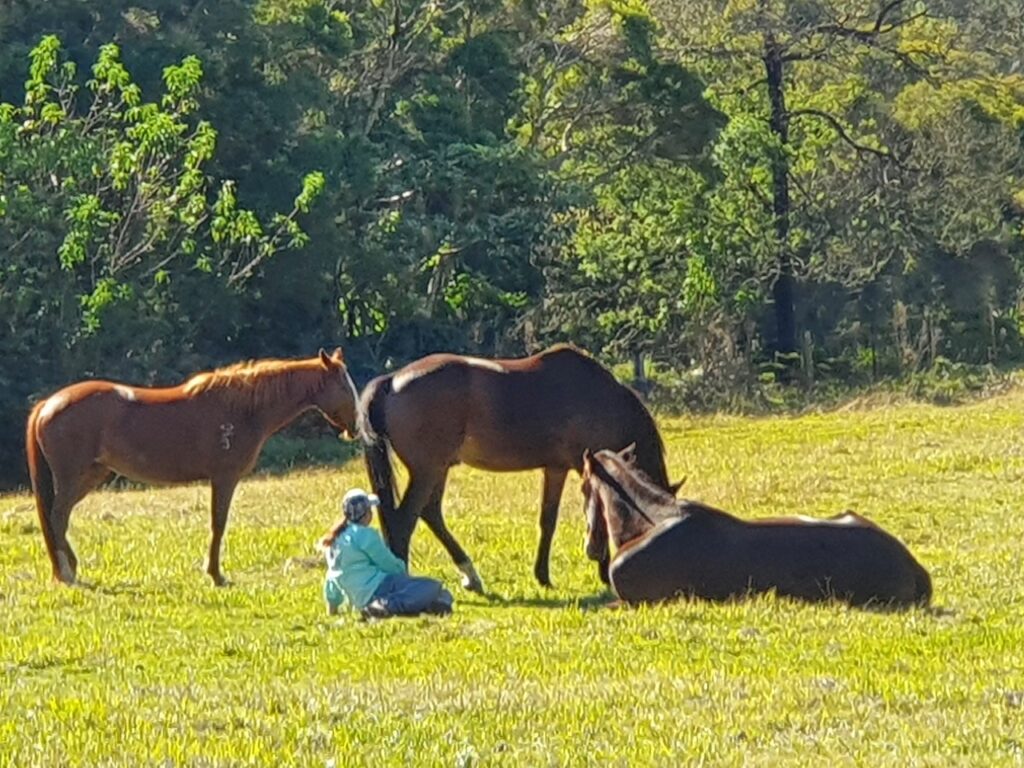
The Stages of Trust: From Survival to Safety for Farm Animals
Keywords: building trust with animals, animal behaviour rehabilitation, sanctuary animal care
Trust doesn’t happen overnight. Most rescued animals move through several emotional stages:
1. Hyper-Vigilance
Animals remain alert, guarded, and reactive. Humans are seen as unpredictable.
2. Observation
From a safe distance, animals begin watching their caregivers, learning routines and patterns.
3. Tolerance
Animals allow humans to exist nearby without panic — a huge milestone.
4. Acceptance
Care interactions like feeding or cleaning are permitted calmly.
5. Connection
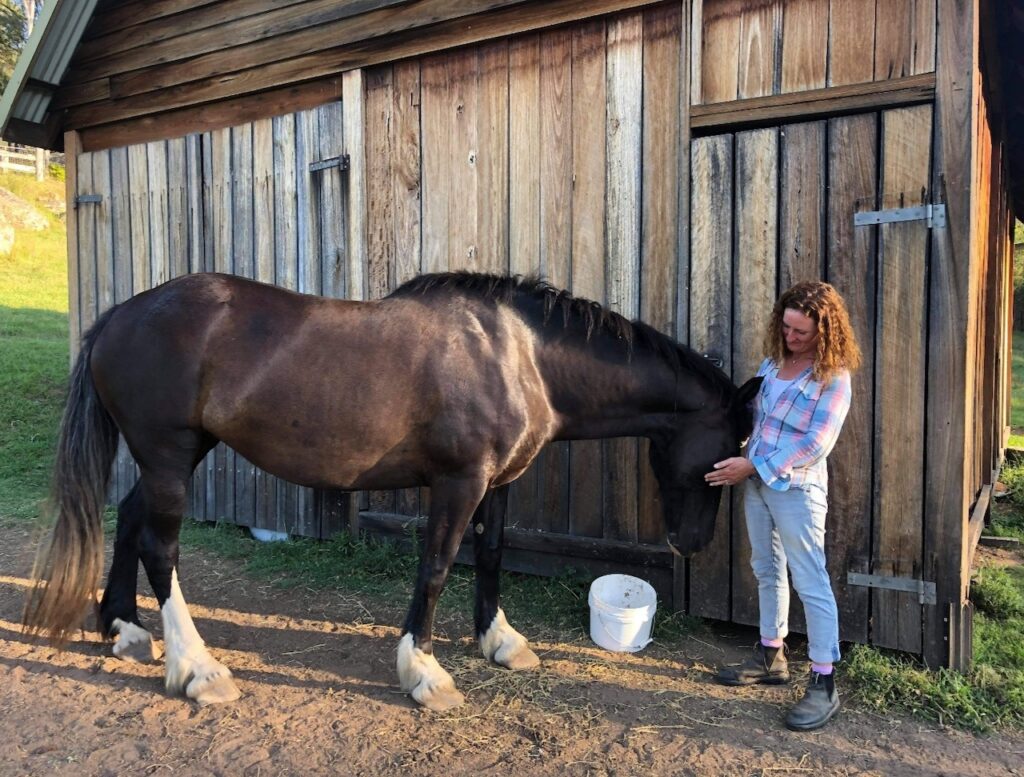
Animals begin seeking out interaction, affection, or companionship.
Each stage unfolds at the animal’s pace. Sanctuary care is not about rushing progress — it’s about creating safety.
How Gentle Care Builds Human–Animal Connection
Trust grows through consistent, respectful interactions. At Farmfari, caregivers focus on:
- Predictable routines (feeding times, quiet check-ins)
- Calm body language and soft voices
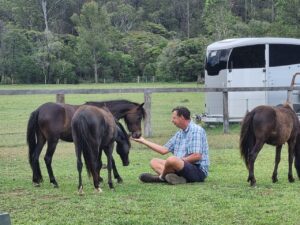
- Allowing animals to initiate contact
- Respecting boundaries without force
These small, daily actions teach animals that humans can be safe, reliable, and kind.
According to the ASPCA, predictable care routines significantly reduce stress behaviours in rescued animals and support emotional recovery.
https://www.aspca.org/animal-care/general-animal-care/understanding-animal-behavior
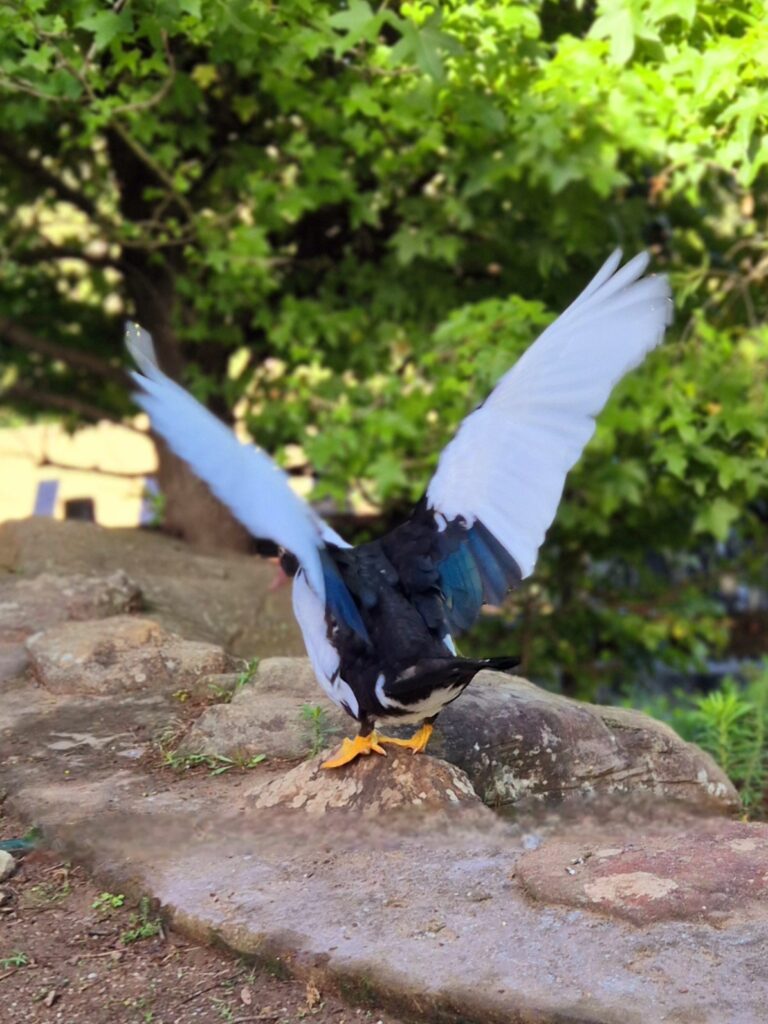
The Emotional Transformation: Signs of Growing Trust
As trust develops, subtle but powerful changes appear:
- Relaxed posture and softer eye contact
- Willingness to eat in a caregiver’s presence
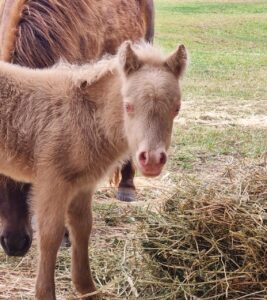
- Curiosity replacing fear
- Gentle vocalisations or nudging
- Choosing proximity rather than avoidance
These moments are profound reminders that healing is happening.
At Farmfari, these breakthroughs are celebrated quietly — because every animal’s journey is unique.
Why Trust Heals Not Just Farm Animals But Humans Too
The relationship between rescued animals and humans is reciprocal. When animals begin to trust again, humans often experience:
- Reduced stress and anxiety
- Increased empathy and emotional awareness
- A deeper sense of purpose and connection
Research from RSPCA highlights that positive human–animal interactions can improve emotional wellbeing for caregivers while supporting animal rehabilitation.
https://www.rspca.org.uk/adviceandwelfare/pets/general/behaviour
Creating a Farm Animals Sanctuary Where Trust Can Grow
Trust isn’t trained — it’s invited. Sanctuaries like Farmfari exist to offer animals the space, time, and respect they need to heal.
By prioritising animal-led interaction, trauma-informed care, and compassionate routines, sanctuaries help transform fear into friendship — one gentle moment at a time.
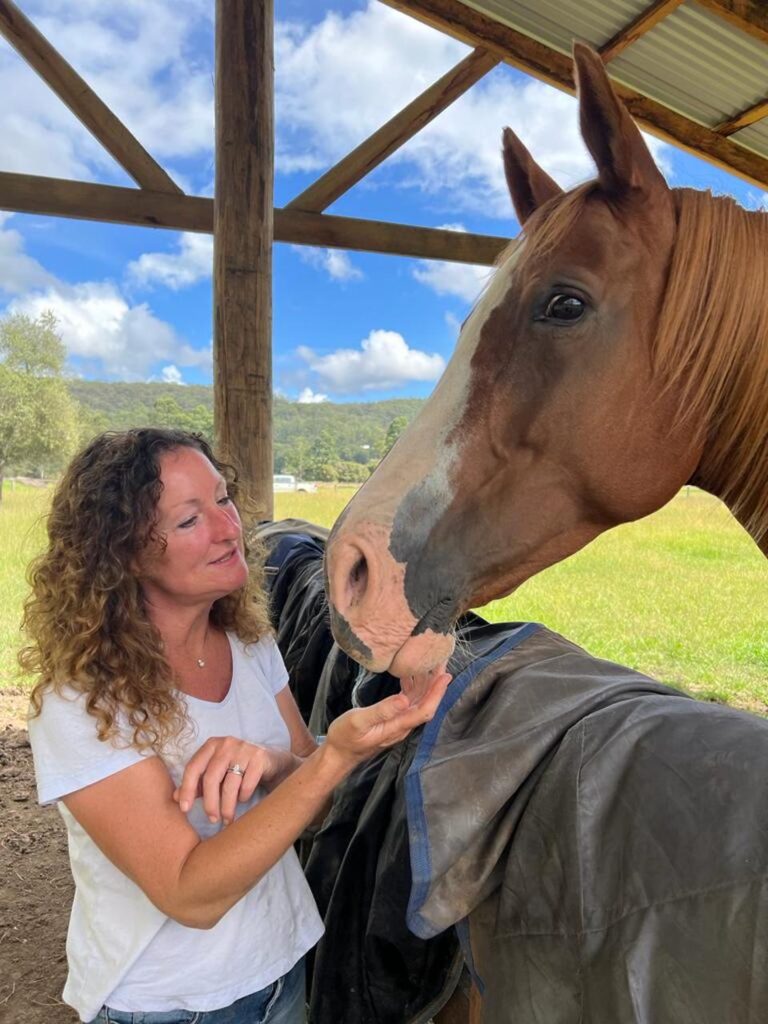
Trust Is a Gift, Not an Expectation
Every time a rescued farm animals chooses to trust again, it is a powerful act of courage. These relationships remind us that kindness matters, patience matters, and healing is always possible.
At Farmfari, trust isn’t demanded — it’s earned, honoured, and cherished.