At Farmfari, compassion is not taught through instruction it is experienced.
During Sanctuary visits, children have the chance to slow down and in turn, observe with curiosity. As they spend time connecting with the animals, they start to understand life through relationships rather than just instructions.
Why Sanctuary Visits Matter for Kids
There’s always something magical about stepping onto sanctuary land.
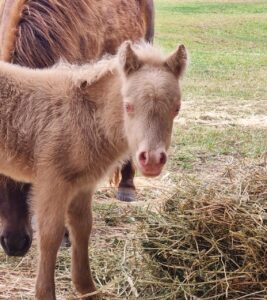
Children often see animals as individuals not only as caricatures in books or fleeting images on screens, but as friends with personalities, stories and emotional lives.
At Farmfari, every visit is a chance for kids to witness:
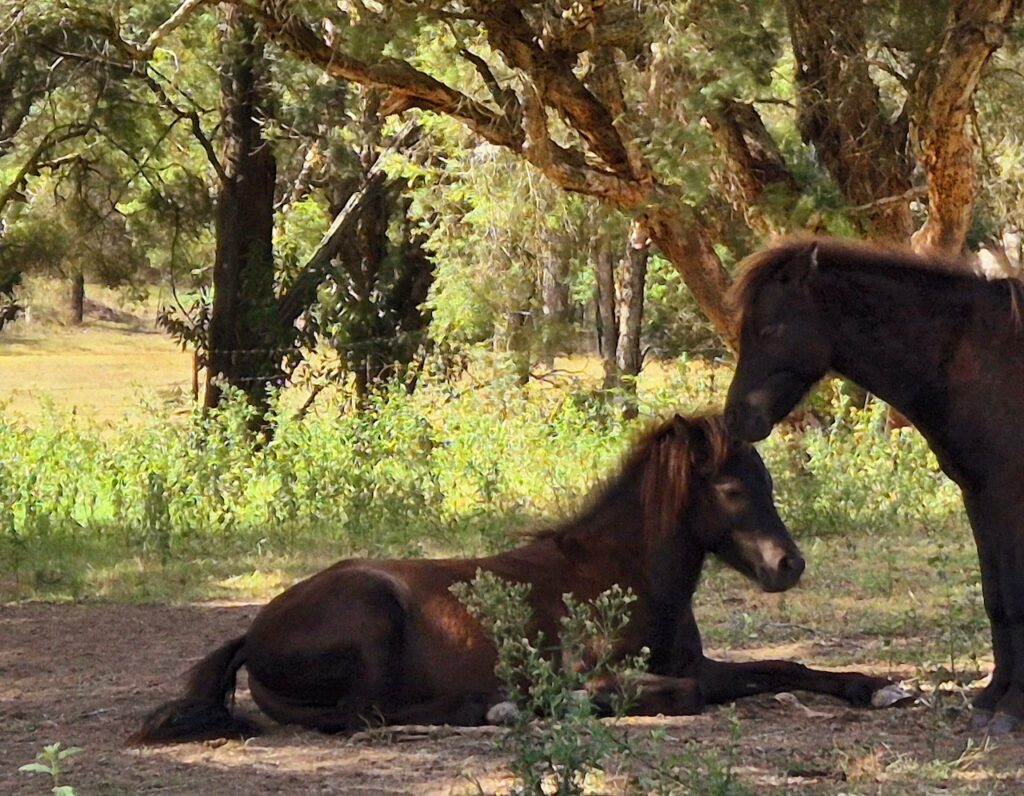
- Horses forming herd bonds
- Cows expressing preferences and trust
- Birds and ducklings teaching joy and resilience
These experiences echo themes in our blog post:
Harmony in Feathers: What Birds at the Sanctuary Teach Us About Balance in Nature
https://www.farmfari.com/farmfari-blog/
— where sanctuary animals act as living teachers of presence, connection, and life lessons.
How Sanctuary Visits Teach Kids Compassion Through Real Emotional Awareness
Scientific research confirms what we see daily at Farmfari: animals are sentient, highly social, and capable of emotional expression. That’s why compassionate education matters.
Organisations such as:
Animal Welfare and Sentience – Australian Government (Department of Agriculture, Fisheries and Forestry)
https://www.agriculture.gov.au/agriculture-land/animal/welfare
provide well‑researched insights into how animals feel, bond, and interact — giving families and educators trusted information to support learning through experience.
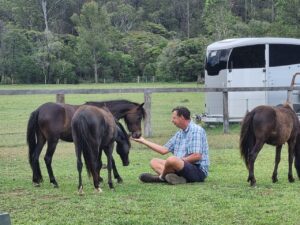
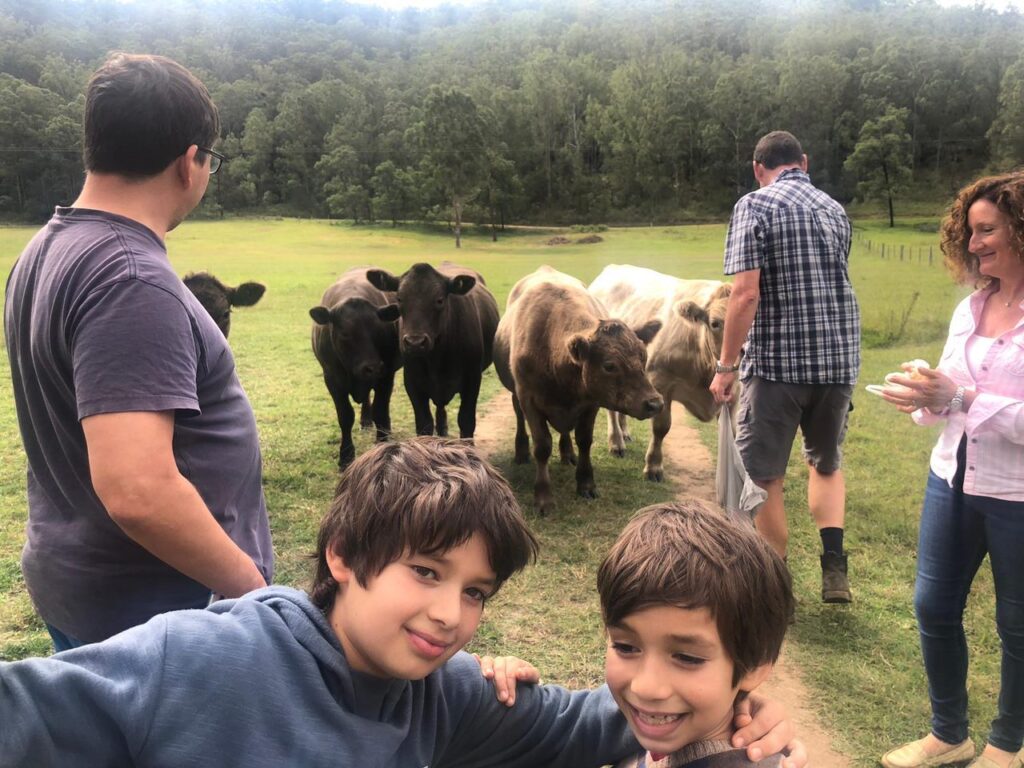
When kids witness a gentle horse nuzzle a friend or a cow choose to stand beside a friend they begin to see beyond labels and recognise the depth of another being. This is one of the most powerful ways we teach kids compassion by showing, rather than telling.
Teaching Kids Responsibility Through Sanctuary Visits
One key way Sanctuary Visits teach kids compassion is through guided interaction that emphasises respect and boundaries.
During Sanctuary Visits, children learn to:
- Move slowly and thoughtfully
- Read animal body language
- Give space when consent isn’t offered
- Gain connections through calm presence rather than force
These lessons mirror what we explore in our blog post:
How Animals Teach Us About Mindful Living
https://www.farmfari.com/how-animals-teach-us-about-mindful-living/
Responsibility here isn’t about chores it’s about emotional accountability and understanding how behaviour affects others both animal and human.
From Sanctuary Visits to Lifelong Compassion
The impact of Sanctuary visits does not end when children leave.
Often, they begin asking deeper questions:
- Why do animals behave the way they do?
- How can I care for all living beings?
- How can I make kinder choices every day?
These questions are the beginning of lifelong empathy and ethical awareness.
At Farmfari, we see that compassion grows most deeply through connection through time spent quietly beside another life, sharing space and presence without expectation.
Sanctuary Visits That Teach Kids Compassion — The Farmfari Way
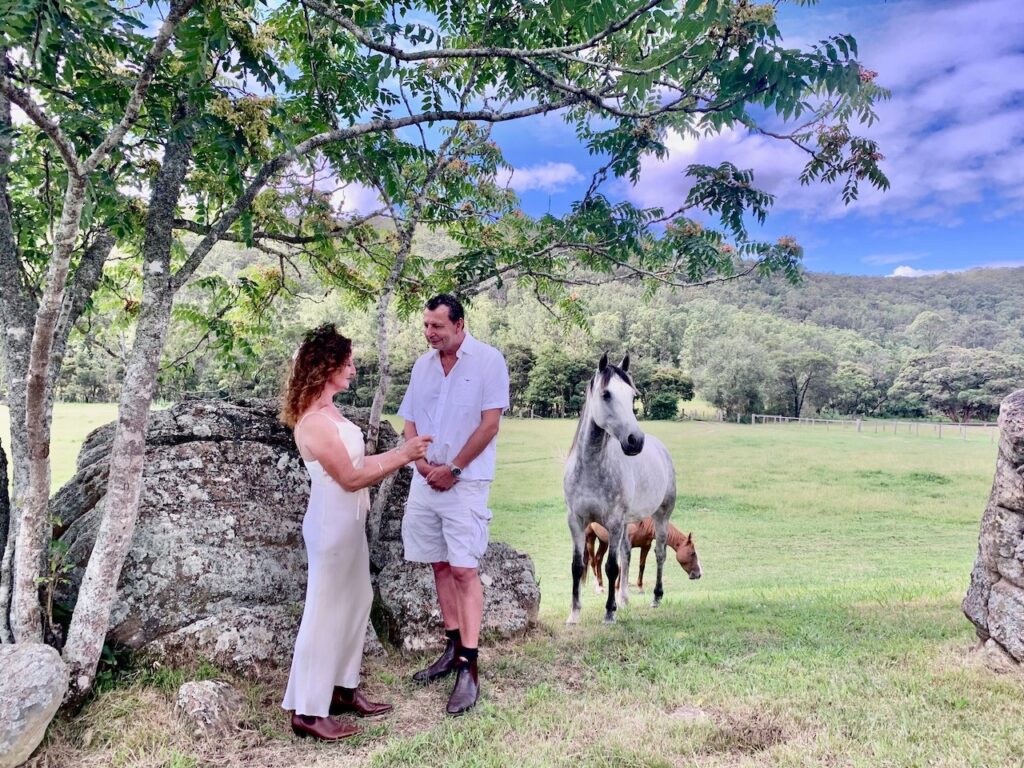
At Farmfari, we do not stage experiences we protect relationships.
Our animals are not props for entertainment they are teachers and when given respect and gentle interaction they reveal what compassion truly feels like.
Through respectful interaction, mindful observation, and shared stillness, our Sanctuary Visits gently but profoundly teach kids compassion in ways that endure long after the visit ends.
If you’d like to explore sanctuary experiences with your family, school, or community group, you can learn more here:
Connection Experiences at Farmfari
https://www.farmfari.com/connection-experiences/
Together, we can grow a generation that leads with empathy.