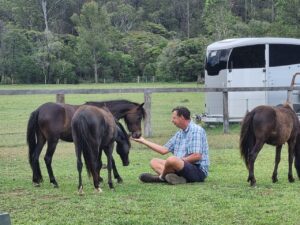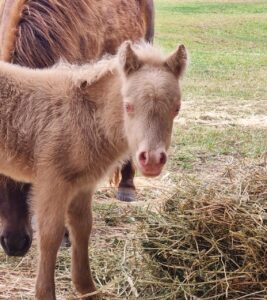
Miniature horses are often admired for their size, charm, and gentle presence — but their small stature can sometimes hide big challenges. At Farmfari, we’ve learned that miniature horses are especially skilled at masking discomfort, making early pain detection one of the most important (and often overlooked) aspects of their care.
Understanding subtle signs of pain isn’t just about preventing injury — it’s about honouring the wellbeing of these sensitive, intelligent animals and ensuring they live with comfort, dignity, and trust.
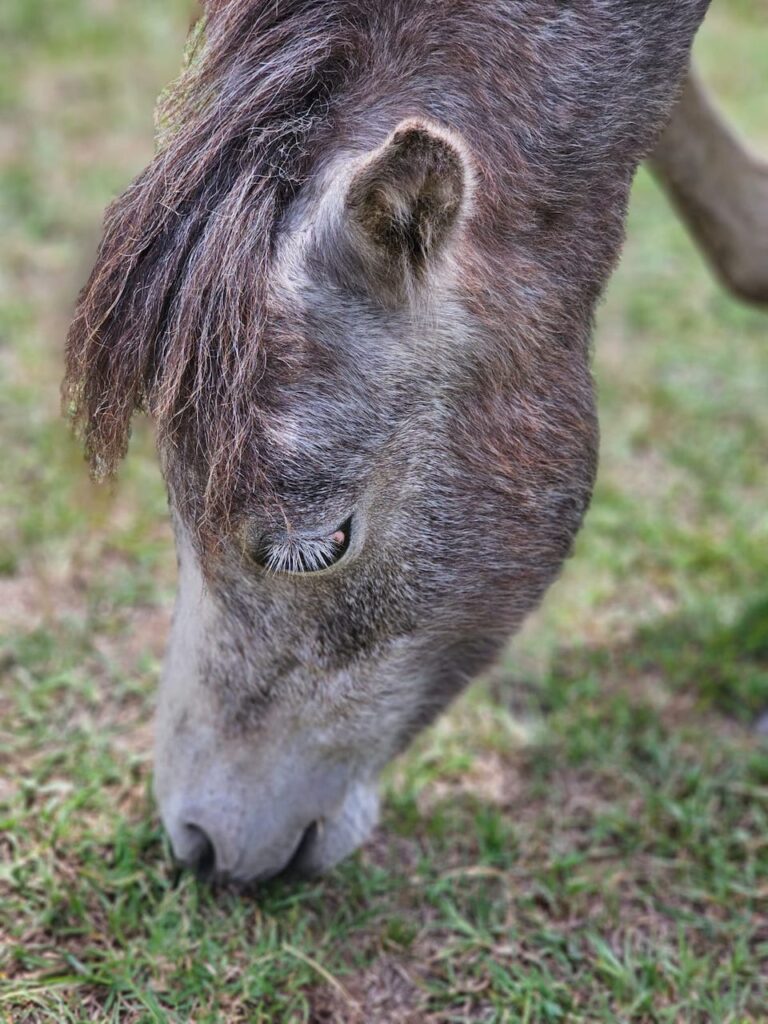
Why Miniature Horses Are More Vulnerable to Hidden Pain
Miniature horses are not simply “small horses.” Their compact size brings unique physical traits that can increase their risk of discomfort or injury, including:
- Shorter limbs and altered joint angles
- Higher risk of metabolic conditions
- Dental crowding due to smaller jaw size
- Hooves that grow quickly but unevenly
- Greater sensitivity to dietary imbalances
Because of this, pain in miniature horses often develops gradually and quietly, rather than suddenly.
Early Signs of Pain in Miniature Horses
Pain in miniature horses rarely looks dramatic. Instead, it appears as subtle changes — easy to miss unless you know what to watch for.
Physical Signs to Look For
- Shortened stride or stiffness when moving
- Shifting weight between feet
- Reluctance to walk on uneven ground
- Heat in hooves or joints
- Changes in posture or stance
- Difficulty lying down or standing up
Behavioural Changes That Matter
- Reduced curiosity or interaction
- Withdrawal from companions
- Irritability or avoidance during handling
- Decreased appetite or slower eating
- Increased lying down or restlessness
At Farmfari, we treat behavioural changes as important signals — often the earliest indicator that something isn’t right.
RSPCA Knowledgebase – Horse health and welfare
https://kb.rspca.org.au/knowledge-base/horse-health/
Common Causes of Discomfort in Miniature Horses
1. Hoof-Related Pain
Miniature hooves grow quickly and can become unbalanced without regular trimming. Even slight changes in hoof angle can cause discomfort due to their compact frame.
Regular farrier care is essential — often more frequently than for larger horses.
2. Dental Issues
Crowded teeth can lead to sharp edges, difficulty chewing, and weight loss. Miniature horses benefit from routine dental checks, even if they appear to be eating normally.
3. Metabolic and Weight-Related Discomfort
Miniature horses are prone to insulin resistance and laminitis. Subtle weight gain or a firm crest along the neck can signal deeper issues developing beneath the surface.
How Farmfari Supports Miniature Horse Comfort
At Farmfari, early pain detection is built into our daily routines.
Daily Observation
We watch how each mini:
- Moves across paddocks
- Interacts with herd mates
- Approaches food and water
- Responds to human interaction
Small changes are noted and addressed early.
Tailored Nutrition
Feeding plans are carefully balanced to support joint health, hoof strength, and metabolic stability — without excess calories.
Internal link suggestion:
Link to your existing blog on miniature horse nutrition or general animal care.
Gentle Handling & Trust-Based Care
Miniature horses who feel safe are more likely to express discomfort. Building trust allows us to notice changes sooner — and respond with care rather than urgency.
Miniature Horse Comfort Check
Invite readers to pause and reflect with this simple check-in:
Ask yourself:
- Has my mini’s movement changed recently?
- Are they less social than usual?
- Do they hesitate before walking or turning?
- Has their appetite or eating speed changed?
Encourage readers to save or share this checklist — helping spread awareness and better care practices for miniature horses everywhere.
Why Early Detection Matters in a Sanctuary Setting
Many miniature horses arrive at sanctuaries like Farmfari after years of well-meaning but uninformed care. Pain that went unnoticed for too long can become chronic — requiring lifelong management.
By focusing on early signs and gentle support, we:
- Reduce long-term suffering
- Improve quality of life
- Build deeper trust between humans and animals
This level of care takes time, expertise, and resources — and community support makes it possible.
Miniature horses may be small, but their experience of the world is rich, emotional, and deeply physical. Learning to recognise early pain is one of the most powerful ways we can care for them — not by reacting to crisis, but by listening closely, every day.
At Farmfari, we believe true care begins with awareness and awareness creates comfort, trust, and healing.